You have no items in your shopping cart.


Sometimes you need a wheel spacer because the wheel is tucked too far into the fender.
Sometimes you want a wider track for legitimate suspension reasons.
And sometimes you just want the wheels to sit hella flush.
Fortunately, the same piece of aluminum handles all three.
What a wider track actually does is reduce lateral load transfer for a given center-of-gravity height. In other words, moving the tires farther apart can help keep the inside and outside tires sharing the work a little more evenly during cornering.
It's one of the reasons race cars tend to be built as low and wide as the rulebook will allow. Ever see a Formula 1 car with the wheels tucked six inches inside the bodywork? Neither have we. But they have often been penalized for sitting 1mm wider than they're supposed to.
Approximately the practical limit for use with the factory wheel studs on most C5/C6/C7 applications.
Always verify adequate lug-nut thread engagement with your specific wheel before driving the car.
The 3/8-inch spacer requires longer wheel studs.
At this thickness, the wheel will also no longer engage the factory hub's centering lip, so understand the installation differences before choosing this version.
These narrow spacers are intended for small track-width or wheel-position changes. If you need considerably more spacing, we also manufacture dedicated 3/4-inch and 1-inch hubcentric spacers with a new wheel pilot machined directly into the spacer.
Shop Hubcentric Spacers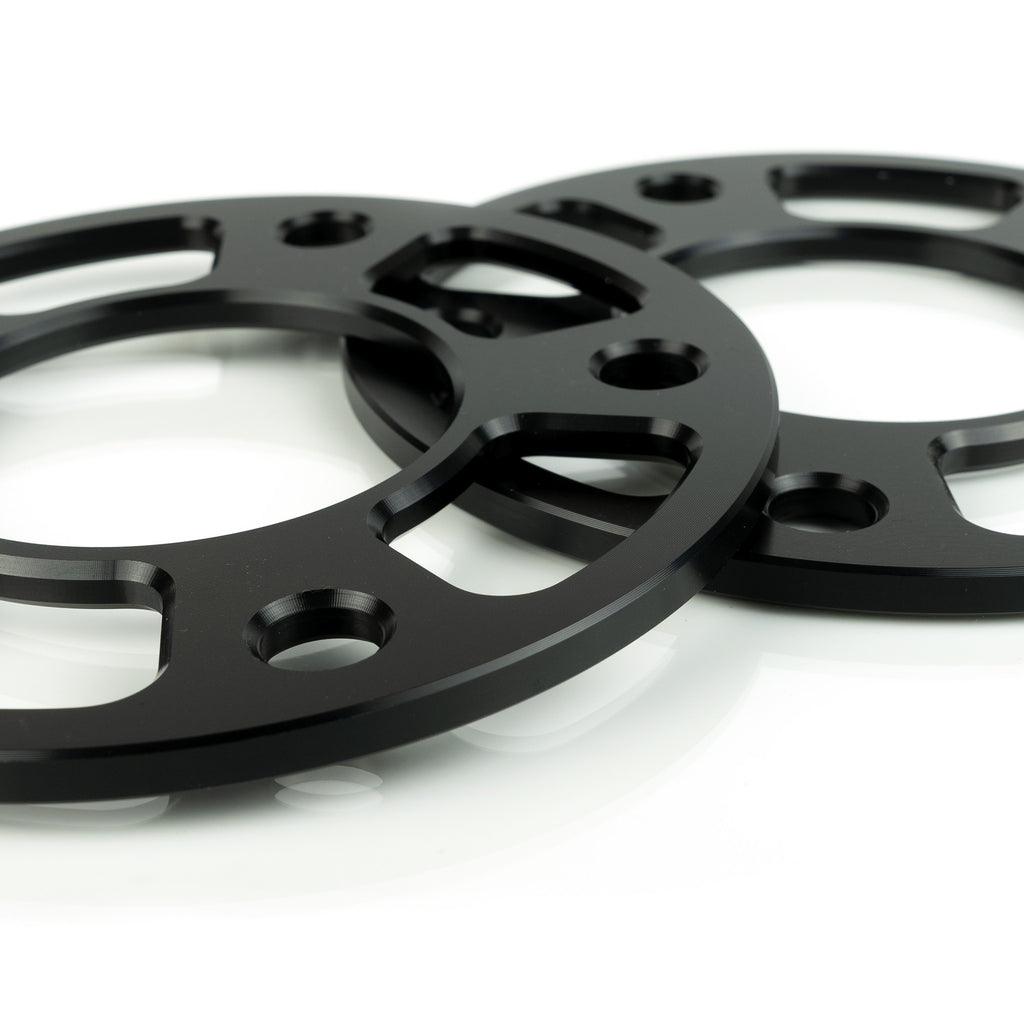
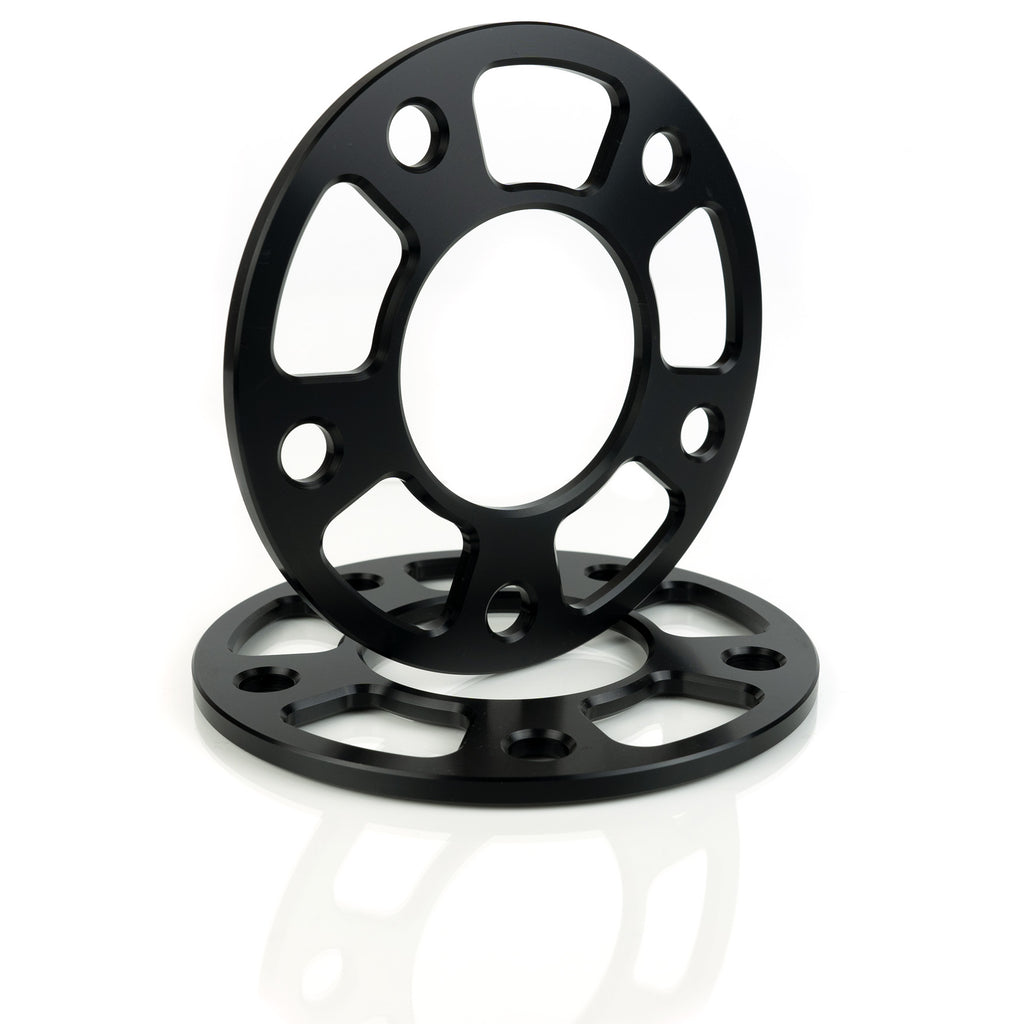
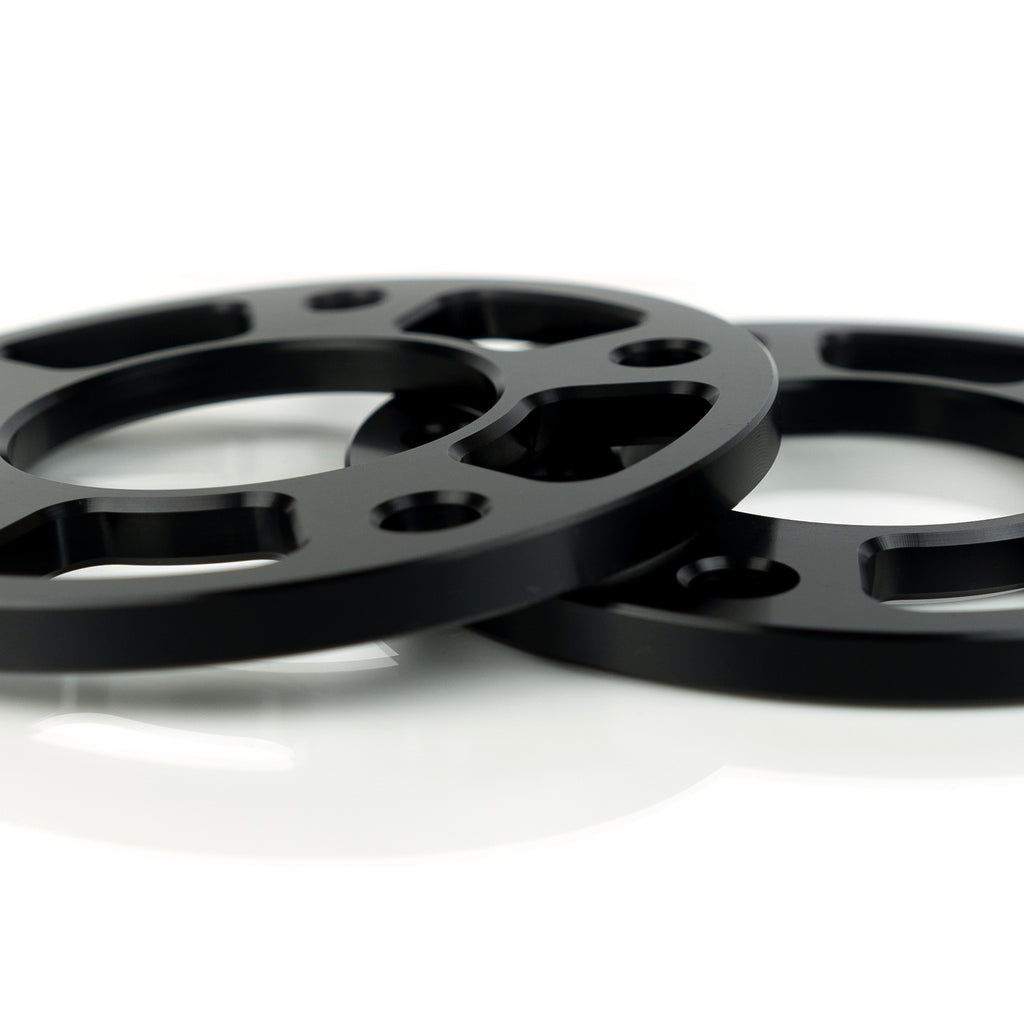
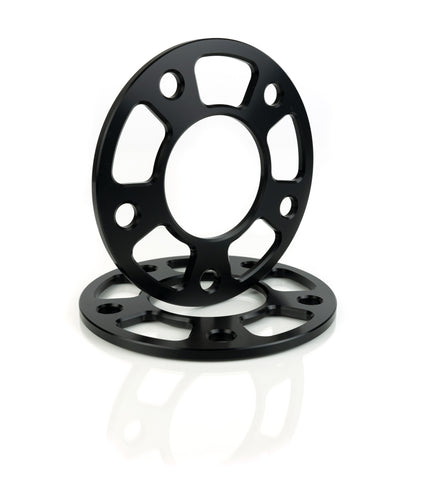
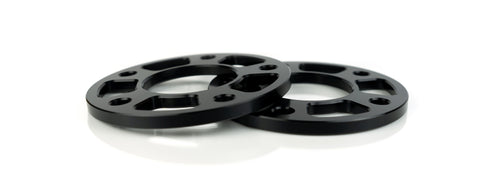
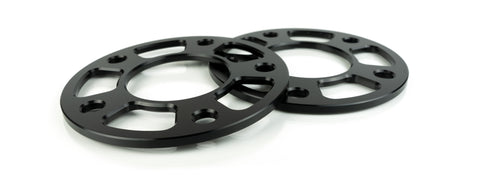
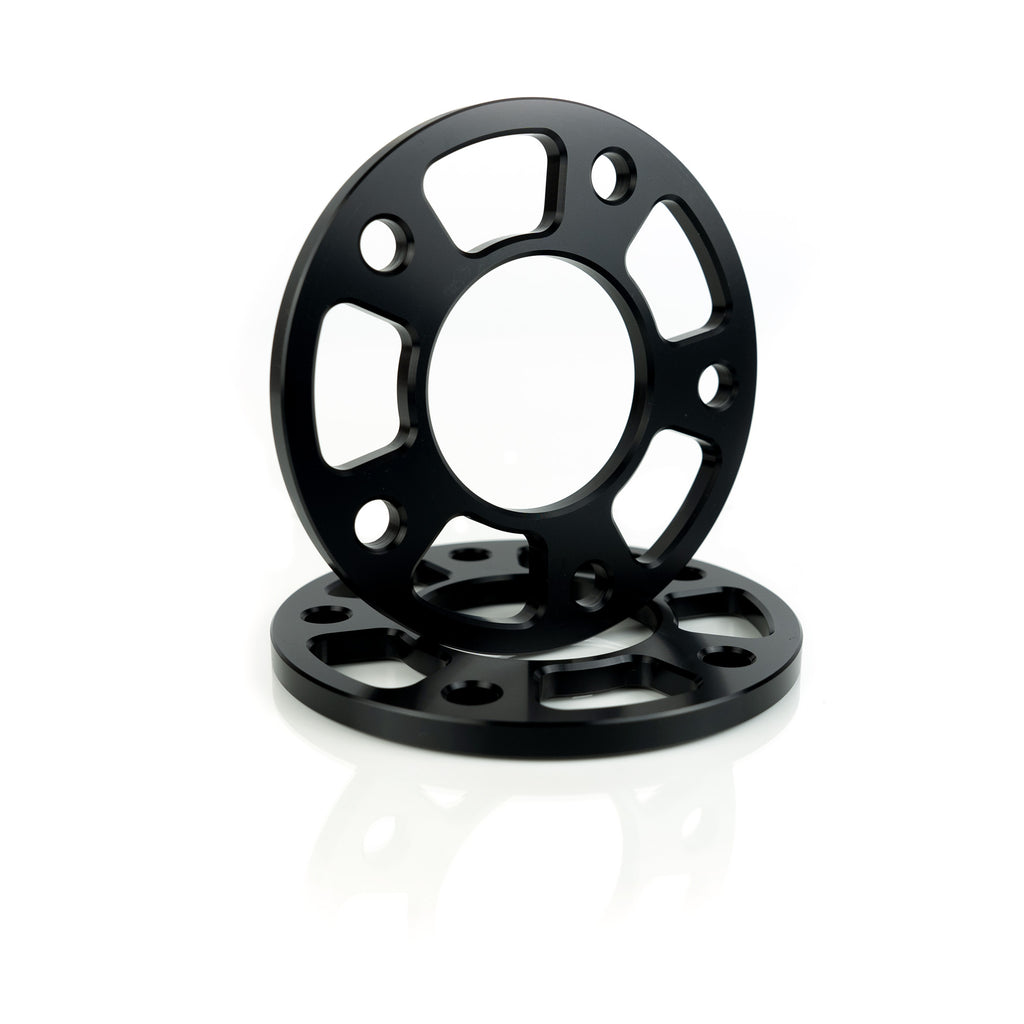
Each spacer starts as 6061-T6 aluminum and is turned in our CNC lathes with less than .0005" runout.
The stud holes and weight-reduction pockets are then CNC milled. We keep the stud-hole tolerances tight for a solid fit rather than making giant sloppy holes that happen to fit every car on Earth.
Finally, the spacers are black anodized to protect the aluminum from corrosion and the general filth that lives behind a track-car wheel.
These spacers are turned, milled, inspected, and finished in the USA from 6061-T6 aluminum.
They're not complicated. They're not revolutionary. They're simply a basic part made the way we'd want it made for our own car.
If you somehow manage to damage one through normal use, we'll replace the failed spacer free of charge.